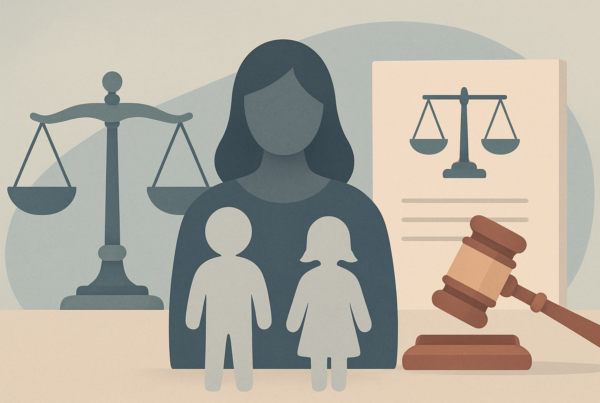


How to protect your mental health during divorce in Maryland is a question many individuals ask when facing emotional uncertainty, financial changes, parenting concerns, and major life adjustments. Divorce is not only a legal process but also a personal transition that may affect routines, relationships, and long-term plans. In many cases, emotional stress can increase when decisions involving marital property, custody arrangements, or financial disclosure become more complex. A thoughtful and structured approach may help reduce unnecessary tension while allowing individuals to make informed decisions during each stage of the process. Protecting mental health often involves balancing emotional care with practical preparation, especially when legal and family responsibilities overlap.
Recognize That Divorce Stress Can Affect Decision-Making
Divorce-related stress may influence communication, financial choices, and parenting decisions in ways that create additional complications later. Many individuals experience anxiety, sleep disruption, frustration, or emotional exhaustion while navigating negotiations or court-related obligations. Maintaining emotional awareness during the process may help individuals respond more thoughtfully instead of reacting impulsively during difficult moments. In many Maryland divorce cases, important discussions involving property division, spousal support, or child custody require steady judgment and careful planning. Seeking emotional support early may improve clarity and help individuals approach legal discussions with greater focus and stability.
Establish Healthy Communication Boundaries
Communication challenges often increase during divorce, particularly when discussions involve finances, parenting schedules, or unresolved conflict. Setting appropriate boundaries may reduce emotional strain and help maintain more productive interactions between parties. In many situations, limiting unnecessary arguments, using written communication when appropriate, and focusing conversations on practical matters may help preserve emotional energy. Courts typically encourage respectful co-parenting communication when children are involved, especially during custody evaluations or parenting plan discussions. Establishing calm and organized communication habits may also help individuals avoid misunderstandings that can escalate legal disputes or prolong emotional stress.
Build a Reliable Support System
Divorce can feel isolating, particularly when individuals attempt to manage emotional, financial, and legal responsibilities alone. Developing a dependable support network may provide emotional stability during periods of uncertainty and adjustment. Support systems may include trusted friends, family members, therapists, financial professionals, or support groups familiar with divorce-related challenges. In many cases, speaking with neutral and experienced professionals may help individuals process emotions without increasing conflict within the family. Emotional support may also improve decision-making by helping individuals stay grounded while managing difficult discussions involving custody arrangements, property division, or future planning.
Prioritize Mental Health Treatment When Necessary
Mental health support may become especially important during divorce when stress begins affecting daily functioning, parenting responsibilities, or workplace performance. Professional counseling or therapy may help individuals manage anxiety, depression, anger, or emotional fatigue that sometimes develops during prolonged legal disputes. In many situations, therapists can also provide coping strategies for handling conflict, communication difficulties, and family transitions. Courts may consider emotional stability when evaluating parenting concerns, particularly in contested custody matters. Seeking appropriate mental health support is often viewed as a responsible step toward maintaining personal well-being and preserving healthy family relationships during a difficult transition.
Stay Organized With Financial Information
Financial uncertainty is one of the most common sources of stress during divorce proceedings. Organizing financial records early may help individuals feel more prepared and reduce confusion throughout the legal process. Divorce cases often involve discussions regarding marital property, income verification, debts, retirement accounts, and financial disclosure requirements. Maintaining accurate records may help minimize disputes and support more productive negotiations between parties. In many cases, individuals experience less emotional strain when they understand their financial situation clearly and have access to important documentation before major decisions are made regarding property division or support obligations.
Financial documents that may help during divorce include:
- Bank account statements, retirement account summaries, tax returns, and loan records may provide a clearer picture of marital finances while helping individuals prepare for financial disclosure obligations that commonly arise during divorce proceedings involving property division or support-related discussions.
- Pay stubs, business income records, and employment benefit information may assist individuals in understanding financial obligations and evaluating potential changes to household budgeting after separation, particularly when discussions involve child support or spousal support considerations.
- Monthly expense records, insurance policies, and household bills may help individuals identify ongoing financial responsibilities while preparing realistic post-divorce budgets that reflect living expenses, parenting costs, and future financial planning needs.
Maintain Stability for Children When Possible
Children may experience emotional stress during divorce, especially when routines, living arrangements, or communication between parents become inconsistent. Providing structure and predictability may help children adjust more comfortably during family transitions. In many Maryland custody cases, courts evaluate the child’s best interests when reviewing parenting arrangements and co-parenting plans. Parents who prioritize stability, respectful communication, and consistent involvement often help reduce emotional pressure on children during the divorce process. Maintaining healthy routines related to school, extracurricular activities, and parenting schedules may also support emotional well-being for both children and parents throughout the transition.
Avoid Using Social Media Emotionally
Social media activity may unintentionally increase stress or create complications during divorce proceedings. Posting emotional reactions online can sometimes affect communication between parties or contribute to unnecessary conflict during negotiations. In certain situations, online statements, photos, or comments may become relevant during disputes involving parenting concerns, financial issues, or personal conduct. Many legal professionals encourage individuals to approach social media cautiously while divorce proceedings remain active. Limiting emotionally charged posts and maintaining privacy settings may help reduce stress while preserving professionalism during a period that often involves heightened emotions and legal sensitivity.
Create Realistic Expectations About the Process
Divorce timelines and outcomes may vary significantly depending on the complexity of financial issues, custody arrangements, and communication between parties. Setting realistic expectations may help reduce frustration and emotional exhaustion during the legal process. Some cases resolve through negotiation or mediation, while others may require court involvement to address contested issues. Understanding that divorce is often a gradual process may help individuals focus on long-term stability instead of immediate emotional reactions. In many situations, individuals who approach divorce strategically rather than emotionally may experience greater confidence and improved decision-making throughout the process.
Develop Daily Habits That Support Emotional Stability
Mental health protection during divorce often depends on consistent daily habits that support emotional and physical well-being. Healthy routines may improve resilience during periods of uncertainty and legal stress. Regular sleep, exercise, balanced nutrition, and structured schedules may help individuals maintain emotional balance while managing legal responsibilities and family obligations. Even small routines such as journaling, walking, or limiting stressful interactions may contribute to improved emotional regulation. In many cases, maintaining personal structure during divorce may reduce feelings of instability and help individuals remain more focused when addressing legal, financial, and parenting decisions.
Daily habits that may support mental wellness include:
- Maintaining regular sleep schedules and reducing exposure to stressful conversations late at night may improve emotional regulation, concentration, and overall resilience during divorce-related discussions involving finances, parenting arrangements, or legal planning responsibilities.
- Setting aside time for exercise, outdoor activity, or mindfulness practices may help reduce emotional tension while supporting healthier responses to conflict, uncertainty, and the practical challenges that frequently accompany divorce proceedings and family restructuring.
- Limiting excessive social media use or constant legal research may help individuals avoid emotional overwhelm while creating more mental space for productive conversations, personal recovery, and thoughtful decision-making throughout the divorce process.
Consider Alternative Dispute Resolution Options
Not every divorce dispute requires aggressive litigation. Alternative dispute resolution methods such as mediation may help reduce conflict and emotional strain in certain situations. Mediation often allows parties to discuss parenting plans, property division, and financial concerns within a more structured and collaborative setting. In many Maryland divorce matters, mediation may provide opportunities for calmer communication while helping individuals maintain greater control over negotiated outcomes. Although mediation may not be appropriate in every case, some individuals find that cooperative problem-solving reduces emotional exhaustion and supports healthier long-term family relationships after divorce.
Understand That Emotional Recovery Takes Time
Mental health recovery during divorce rarely happens immediately, especially when major family, financial, or lifestyle changes are involved. Allowing time for adjustment may help individuals process emotions more realistically while rebuilding routines and long-term goals. Emotional recovery often occurs gradually as individuals gain financial clarity, establish new routines, and adapt to co-parenting or independent living arrangements. In many cases, people experience periods of stress followed by improved stability over time. Recognizing that emotional healing is a process rather than a single event may help individuals approach divorce with greater patience and perspective.
Work With Professionals Who Support Structured Planning
The professionals involved in a divorce matter may significantly influence the overall experience and emotional stress level of the process. Working with organized and strategic professionals may help individuals feel more informed and supported during negotiations or court proceedings. Legal professionals, financial advisors, therapists, and parenting specialists may each contribute valuable guidance depending on the circumstances of the case. In many situations, individuals benefit from professionals who encourage preparation, realistic expectations, and respectful communication rather than unnecessary conflict. A thoughtful professional team may help reduce uncertainty while supporting more informed decision-making during divorce proceedings.
Focus on Long-Term Stability Instead of Short-Term Conflict
Divorce discussions sometimes become emotionally reactive when individuals focus solely on immediate disagreements rather than future stability. Prioritizing long-term goals may help reduce unnecessary emotional strain and encourage more productive conversations regarding parenting, finances, and personal planning. Courts often evaluate practical considerations such as stability, cooperation, and financial responsibility when reviewing family law matters. Individuals who maintain a long-term perspective may find it easier to make balanced decisions regarding custody arrangements, marital property concerns, and financial planning. Strategic thinking may support healthier outcomes while reducing prolonged emotional exhaustion during divorce proceedings.
Common Mistakes That May Increase Emotional Stress During Divorce
Certain behaviors and decisions may unintentionally increase emotional strain or prolong legal conflict during divorce proceedings. Recognizing these challenges early may help individuals protect their mental health while maintaining greater focus on productive solutions and long-term stability.
Common mistakes individuals may try to avoid include:
- Making major financial decisions without reviewing long-term consequences may create additional stress later, especially when issues involving marital property division, support obligations, or household budgeting remain unresolved during divorce negotiations or court proceedings.
- Using children as messengers or involving them in adult disagreements may increase emotional pressure on the family while potentially affecting co-parenting communication and custody-related discussions evaluated during the divorce process.
- Relying exclusively on emotional reactions instead of structured planning may lead to communication breakdowns, prolonged disputes, and unnecessary stress that complicates negotiations involving finances, parenting responsibilities, or long-term family arrangements.
FAQs
How can divorce affect mental health?
Divorce may contribute to stress, anxiety, emotional exhaustion, sleep disruption, or uncertainty about finances and parenting responsibilities. In many situations, emotional strain increases when individuals face major life changes while simultaneously navigating legal obligations and difficult personal conversations.
Should I seek therapy during divorce?
Many individuals find therapy or counseling helpful during divorce, particularly when emotional stress begins affecting work, parenting, communication, or daily functioning. Professional support may provide coping strategies and emotional structure throughout the legal and personal transition process.
Can stress affect custody discussions?
In some cases, emotional stress may influence communication patterns, parenting interactions, or decision-making during custody-related matters. Courts generally focus on the child’s best interests, including stability, cooperation, and healthy parental involvement when evaluating custody arrangements.
Is mediation less stressful than litigation?
For some individuals, mediation may reduce emotional conflict by encouraging structured communication and negotiated problem-solving. However, each situation is unique, and mediation may not be appropriate in every divorce matter depending on the level of conflict involved.
Why is financial organization important during divorce?
Organized financial records may reduce confusion, improve preparation, and support more informed decision-making regarding marital property, support obligations, and budgeting. Financial clarity may also help reduce stress during negotiations or legal proceedings.
Protect Your Mental Health During Divorce in Maryland With Structured Planning
Protecting your mental health during divorce in Maryland often requires more than emotional resilience alone. Careful preparation, thoughtful communication, and structured legal planning may help individuals navigate uncertainty with greater confidence and stability. Divorce proceedings frequently involve decisions related to parenting, finances, property division, and future responsibilities, making strategic guidance especially valuable during emotionally demanding periods.
Working with Divorce With a Plan who prioritize organization, realistic expectations, and personalized guidance may help reduce unnecessary conflict while supporting informed decision-making throughout the process. A calm and prepared approach may allow individuals to focus on long-term stability rather than short-term emotional pressure. If you are considering divorce or managing ongoing family law concerns, scheduling a consultation may help you better understand your options and prepare for the next stage with clarity and structure.