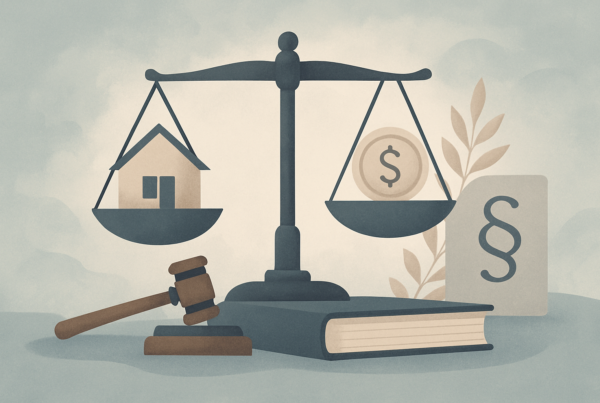


Divorce is rarely just a legal event, it is a transition that affects finances, family dynamics, and long-term stability. Divorce in Annapolis: Separating Assets, Property, and Expectations involves more than dividing belongings; it requires thoughtful preparation and informed decision-making. Many individuals underestimate how much planning can shape outcomes, especially when financial disclosures, parenting arrangements, and property classification come into play.

Approaching divorce with a structured mindset can help reduce uncertainty and improve clarity throughout the process. Courts typically evaluate multiple factors when reviewing marital property and responsibilities, which means each situation unfolds differently. Understanding expectations early allows individuals to make informed, strategic choices, rather than reacting under pressure. This guide outlines key considerations to help you navigate the process with a calm, prepared, and practical approach.
Marital vs. Non-Marital Property
One of the most important aspects of divorce is determining what qualifies as marital property versus non-marital property. Marital property generally includes assets acquired during the marriage, while non-marital property may include inheritances, gifts, or assets owned before the marriage. However, classification is not always straightforward, especially when assets have been commingled or jointly used over time.
Courts may evaluate how assets were acquired, maintained, and used throughout the marriage. In many cases, documentation becomes critical in supporting claims about ownership, particularly for financial accounts, real estate, or business interests. Each situation is unique, and even seemingly clear distinctions can become complex, requiring careful review and organization before proceeding.
How Courts Evaluate Property Division
Property division is guided by equitable distribution principles, meaning assets are divided fairly, though not necessarily equally. Judges may consider a variety of factors when determining what is fair, including financial contributions, non-financial contributions, and future earning potential. This approach allows flexibility but also introduces uncertainty, as outcomes depend heavily on individual circumstances.
Key factors courts may consider include:
- Financial contributions to the marriage: Courts may evaluate income, investments, and financial support provided by each spouse, recognizing both direct earnings and indirect contributions that supported the household’s overall financial stability over time.
- Non-financial contributions such as caregiving: Raising children, managing the home, and supporting a spouse’s career may influence property division, as these efforts contribute to the marital partnership in meaningful, though less quantifiable, ways.
- Duration of the marriage and lifestyle established: Longer marriages often involve more intertwined finances, and courts may consider the standard of living maintained during the marriage when evaluating how assets should be distributed moving forward.
- Future financial needs and earning capacity: Judges may assess each spouse’s ability to support themselves after divorce, including education, work experience, and potential barriers to employment that could affect financial independence.
These factors illustrate why preparation and documentation are essential, as each element contributes to how decisions are ultimately made.
Financial Disclosure and Transparency
Accurate financial disclosure is a cornerstone of divorce proceedings. Both parties are typically expected to provide a full accounting of assets, debts, income, and expenses, ensuring transparency throughout the process. Incomplete or inaccurate disclosures can complicate negotiations and delay resolution, making early organization critical.
Financial disclosure may include bank statements, tax returns, retirement accounts, and property valuations. In many cases, individuals benefit from organizing records well before formal proceedings begin, allowing for a clearer understanding of the financial landscape. This preparation can also support more productive discussions and reduce unnecessary disputes, particularly when both parties have access to consistent information.
Dividing Real Estate and the Family Home
The family home is often one of the most significant and emotionally complex assets in a divorce. Decisions regarding whether to sell, refinance, or retain the property depend on financial feasibility and long-term goals, rather than emotion alone. Courts may evaluate ownership structure, equity, and each party’s ability to maintain the property independently.
In some situations, one spouse may remain in the home while the other receives a financial offset. In other cases, selling the property and dividing proceeds may be more practical, especially when maintaining the home is not financially sustainable. Each option carries implications for taxes, debt obligations, and future housing stability, requiring careful evaluation before making decisions.
Handling Retirement Accounts and Investments
Retirement accounts and investment portfolios often represent substantial portions of marital wealth. Dividing these assets requires attention to both current value and long-term implications, including tax considerations and growth potential. Certain accounts may require specialized legal instruments to divide properly, ensuring compliance with applicable regulations.
Courts may consider the timing of contributions and the nature of each account. In many cases, individuals overlook how future tax liabilities can affect the true value of these assets, which can lead to imbalanced outcomes if not carefully analyzed. Strategic planning helps ensure that asset division reflects both present and future financial realities.
Business Interests and Complex Assets
When one or both spouses own a business, property division becomes more complex. Business valuation often involves analyzing revenue, liabilities, market conditions, and future earning potential, making it one of the more intricate aspects of divorce. Courts may rely on financial experts to assess fair value and determine how the business fits into the overall asset division.
Options may include buying out one spouse’s interest, continuing joint ownership temporarily, or offsetting the business value with other assets. Each option carries financial and operational implications, particularly when the business serves as a primary source of income. Careful evaluation is essential to protect both immediate stability and long-term viability.
Debt Allocation and Financial Responsibility
Dividing debt is just as important as dividing assets. Marital debt may include mortgages, credit cards, loans, and other financial obligations incurred during the marriage, regardless of whose name appears on the account. Courts may consider the purpose of the debt and each party’s ability to repay when assigning responsibility.
Even when a court assigns debt to one spouse, creditors may still hold both parties accountable if accounts are jointly held. This reality highlights the importance of addressing debt proactively, including refinancing or restructuring obligations when possible. Understanding these risks can help individuals avoid unexpected financial challenges after divorce.
Custody Arrangements and Parenting Expectations
For couples with children, custody arrangements are a central component of divorce. Courts prioritize the best interests of the child, considering factors such as stability, parental involvement, and the ability to provide a supportive environment. Parenting plans often include schedules, decision-making responsibilities, and communication guidelines.
Custody considerations may include:
- The child’s relationship with each parent: Courts may evaluate emotional bonds, involvement in daily activities, and each parent’s ability to maintain a supportive and consistent presence in the child’s life.
- Stability of each household environment: Living arrangements, school continuity, and access to community support systems may influence how parenting time is structured.
- Willingness to cooperate and communicate: Judges often consider how effectively parents can work together in making decisions that affect the child’s well-being and development.
- The child’s needs and developmental considerations: Age, health, and educational requirements may shape custody arrangements to ensure the child’s needs are consistently met.
Each custody arrangement is tailored to the specific needs of the family, making flexibility and preparation essential.
Managing Expectations During Divorce
Expectations can significantly influence how individuals experience the divorce process. Unrealistic assumptions about asset division or custody outcomes may lead to frustration and prolonged disputes, particularly when expectations are not aligned with legal standards. Developing a clear, informed perspective helps individuals approach decisions more effectively.
Working with accurate information allows individuals to evaluate options realistically. In many cases, adjusting expectations early can reduce conflict and support more efficient resolution, especially when both parties understand the factors courts may consider. A balanced approach encourages constructive dialogue and more sustainable outcomes.
Common Mistakes to Avoid
Even well-prepared individuals can encounter challenges during divorce. Avoiding common mistakes can help protect financial stability and reduce unnecessary complications, particularly when navigating unfamiliar legal processes. Strategic awareness is key to minimizing risk and maintaining focus throughout the process.
Common mistakes include:
- Failing to gather complete financial records early: Delays in collecting documents can lead to incomplete disclosures, increased legal costs, and prolonged negotiations that could have been avoided with early preparation.
- Allowing emotions to drive financial decisions: Emotional attachments to assets may lead to decisions that are not financially practical or sustainable in the long term.
- Overlooking tax implications of asset division: Different assets carry different tax consequences, and failing to account for these differences may result in unintended financial burdens.
- Neglecting long-term financial planning: Focusing solely on immediate outcomes without considering future needs can create challenges after the divorce is finalized.
Awareness of these pitfalls supports more thoughtful and informed decision-making.
Financial Preparation Checklist
Preparation is one of the most effective ways to approach divorce in Annapolis with confidence. Organizing financial information and understanding key assets can provide a clearer picture of your situation, allowing for more strategic planning. This process also supports more efficient communication and negotiation.
Key preparation steps include:
- Compile a complete inventory of assets and debts: Include bank accounts, retirement funds, real estate, loans, and credit obligations to create a comprehensive financial overview.
- Gather supporting documentation for all financial accounts: Statements, tax returns, and investment records help verify information and support accurate disclosure.
- Evaluate monthly expenses and future financial needs: Understanding current and projected expenses can guide decisions related to property division and support arrangements.
- Consult with professionals when necessary: Financial advisors and legal professionals can provide insights into complex assets and long-term planning considerations.
These steps can help create a more organized and informed approach to the process.
A Strategic Approach to Divorce in Annapolis
Approaching Divorce in Annapolis: Separating Assets, Property, and Expectations with preparation and clarity can make a meaningful difference in how the process unfolds. A thoughtful strategy emphasizes organization, informed decision-making, and realistic expectations, allowing individuals to navigate each stage with greater confidence. Rather than reacting to uncertainty, a structured approach supports more stable and balanced outcomes over time.
Why Choose Divorce With a Plan reflects this philosophy by focusing on preparation and personalized guidance. Each situation is carefully evaluated to develop strategies tailored to individual circumstances, helping clients understand their options without unnecessary pressure. The goal is not to rush decisions, but to provide a clear framework for navigating complex issues thoughtfully. If you are considering divorce, scheduling a consultation can help you explore your next steps with a calm, informed perspective.