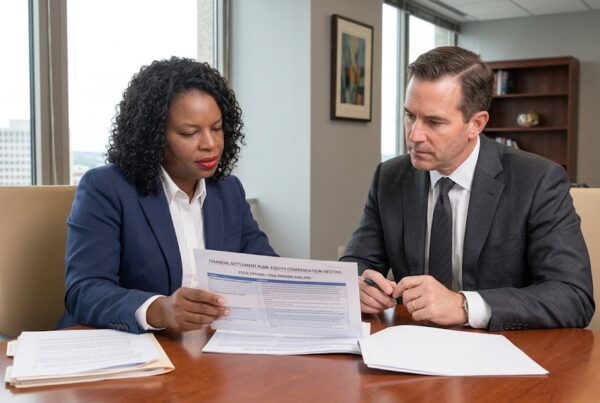


Divorce Without Separate Lawyers: Practical Planning for Maryland Couples
Introduction: what “divorce without separate lawyers” means and why planning matters
Divorce without separate lawyers describes approaches where spouses do not each retain full, independent adversarial counsel and instead pursue a joint process such as mediation, a single firm facilitating both parties, or jointly drafted settlement paperwork; this option can save time and money when used appropriately, but it also raises ethical and practical considerations specific to Maryland family law that merit careful planning and staged decision-making. This article explains the primary models available, how ethical safeguards and disclosure work in a joint-attorney environment, the difference between mediation and a single-lawyer facilitation, the kinds of financial and parenting issues that usually require specialist input, and a step-by-step framework for preparing and documenting an enforceable settlement; throughout, the emphasis is on actionable preparation, realistic expectations, and the decision points that determine whether a joint path is sensible or whether independent counsel is advisable.
Defining the options: mediation, joint-attorney facilitation, and DIY settlement
Divorce without separate lawyers covers several distinct pathways: neutral mediation where a facilitator helps parties negotiate but does not give one spouse individualized legal advice; a single law firm or attorney acting as a joint facilitator who prepares documents and frames legal choices while maintaining conflict protections; and self-representation where spouses negotiate and draft settlement terms themselves before filing with the court. Each option trades off cost, control, and legal protection differently, and choosing among them depends on the complexity of assets, parenting needs, and whether both spouses have similar bargaining power.
Can one firm represent both spouses in a Maryland divorce?
Joint representation by a single law firm or attorney is possible in many cases but is ethically sensitive: lawyers must identify conflicts of interest, obtain informed consent from both clients where allowed, and clearly document the scope of the engagement to avoid misunderstandings about who the lawyer represents and what advice will be given. When a firm contemplates joint work, the initial intake usually includes a conflict check and a written scope letter that explains the limited nature of the joint role, the absence of individualized, confidential advocacy for either party, and suggested opportunities for independent review at key stages.
What informed consent and scope letters should address
Frequently Asked Questions
These are the questions Maryland families ask most often about this topic. Each answer is general information rather than advice about a specific case, and the right approach always depends on the details of your situation.
Can one law firm ethically represent both spouses in a Maryland divorce?
A firm can sometimes act as a joint facilitator, but ethical safeguards are required: conflict checks, a clear scope letter, and informed consent are essential; parties should expect the firm to decline individualized advocacy and to recommend independent counsel when conflicts or imbalances arise.
Will a divorce without separate lawyers always save money?
It often reduces attorney hours and contested hearings, but savings depend on complexity, disclosure completeness, and whether experts are needed; if valuation errors or tax mistakes occur, short-term savings can disappear, so weigh limited expert involvement against the risk of future disputes.
Is a jointly drafted agreement as enforceable as one negotiated through separate counsel?
A properly documented and court-entered settlement is generally enforceable, but courts consider whether agreements were entered knowingly and with adequate disclosure; independent review is advisable when sophistication, power imbalance, or complex assets are present to reduce the risk of later challenges.
A clear scope-of-representation letter should explain whether the firm will act merely as a facilitator, whether it will draft agreements, whether it will file pleadings, and what circumstances would require termination of the joint engagement such as discovery of a conflict or evidence of coercion; a signed scope letter protects expectations and creates a record that both spouses received the same disclosures about the lawyer’s role.
How mediation differs from a joint-attorney process
Mediation is a negotiation process led by a neutral facilitator who helps clarify priorities, propose options, and draft terms without providing legal advice to either party, whereas a joint-attorney process can include drafting settlement language, explaining legal consequences in a general way, and preparing court paperwork while still taking steps to avoid representing one spouse against the other; understanding this distinction helps couples choose the level of legal involvement they need at each stage.
When to use mediation plus independent counsel
Mediation with targeted independent review often works well when spouses want a neutral space to negotiate but also need legal input on specific technical issues—either spouse can engage separate counsel at discrete checkpoints to review proposed terms, tax implications, or instrument-specific language such as retirement division documents.
Turning an agreement into an enforceable Maryland settlement
An enforceable settlement requires accurate, full financial disclosure, clear written terms that courts can translate into orders, and appropriate supporting documents for complex items like retirement benefits or business interests; the joint process must therefore prioritize verified disclosure, careful drafting of enforcement language, and attention to whether parenting terms meet the court’s concerns about children’s best interests.
Key drafting elements judges expect
Clear, specific language about asset division, support obligations, parenting schedules, decision-making authority, and enforcement remedies reduces the risk that a judge will reject or later construe terms differently than the parties intended, and where technical documentation is needed—such as instructions to a plan administrator—these should be included or referenced precisely in the agreement.
Financial disclosure: the foundation of any joint process
Complete financial disclosure is essential to reduce later claims of unfairness and to allow informed choices about property division, support, and tax consequences; a joint path must build in formal document exchange, verification steps, and processes for identifying and addressing gaps or red flags that could later undermine the settlement.
Practical disclosure practices
Verify rather than assume by collecting pay stubs, account statements, tax returns, deeds, titles, and benefit summaries, and by agreeing to a timeline for exchange and a procedure for supplementing disclosures if additional assets or accounts appear during the process.
When a joint approach typically saves money — and when costs can rise
Cost savings from a divorce without separate lawyers usually arise because there is less adversarial discovery, fewer contested hearings, and less duplicate attorney time, but savings are not guaranteed: unclear terms, missed valuations, or tax mistakes often lead to later disputes that erase short-term savings and may require costly litigation or settlement renegotiation.
Common triggers that erase savings
Hidden complexity such as poorly valued businesses, misunderstood retirement division rules, or incomplete tax planning are frequent drivers of later cost increases; investing in limited expert analysis up front often prevents significantly higher costs afterward.
When you still need specialists even if you pursue a joint path
Targeted specialists are commonly necessary for issues that require technical expertise: business valuation professionals, forensic accountants, retirement-plan specialists to draft appropriate division documents, and child-focused professionals where custody arrangements require expert input to meet the court’s expectations about parenting plans.
How to integrate experts into a joint workflow
Order expert work early so valuation reports, forensic analyses, or retirement plan opinions can inform negotiation rather than serve as surprises after a term sheet is signed; specify who pays for experts and how their reports will be used in the event spouses disagree about findings.
Timeline expectations: what typically determines how quickly a joint case resolves
Timelines in a divorce without separate lawyers depend less on litigation steps and more on how quickly parties exchange verified disclosures, secure any needed expert reports, and agree on detailed parenting schedules; court processing times matter too, but a staged, deadline-driven workflow often shortens the calendar compared with contested litigation.
Practical ways to keep the process moving
Set milestones and enforce them by agreeing to specific dates for disclosure exchange, expert delivery, negotiation sessions, and document review deadlines; a written project plan reduces uncertainty and helps both parties and the joint facilitator manage expectations.
Is an agreement binding when spouses use a joint process?
Binding agreements that are properly executed and entered as court orders are enforceable, but courts evaluate whether agreements were entered knowingly and voluntarily and whether there was sufficient disclosure; if duress, fraud, or gross nondisclosure is later shown, a court may consider remedies, which is why independent review and thorough documentation often protect both parties long term.
When to obtain independent legal review
Independent review is advisable when there is an imbalance in financial sophistication, unequal bargaining power, complicated retirement or business assets, or any indication of incomplete disclosure; having a separate attorney provide a narrow, written opinion can materially reduce the risk of later challenges.
Preparing practically: documents, priorities, and a negotiation plan
Preparation for a divorce without separate lawyers means gathering core documents—pay records, account statements, property titles, benefit summaries, and prior tax returns—creating a ranked list of priorities (for example housing stability, retirement preservation, and parenting consistency), and agreeing on a negotiation process that includes regular check-ins and written term sheets so settlement drafting starts from a shared, documented foundation.
Checklist for the first joint session
- Assemble recent pay documentation and employer benefit summaries to establish current income and benefits understanding, and commit to supplementing missing items promptly.
- Collect current bank, investment, and retirement account statements so values can be compared and reconciled during negotiation.
- Gather deeds, vehicle titles, mortgage statements, and major loan documents to ensure ownership and encumbrance issues are clear before division.
- Locate recent tax returns and W-2 or similar reporting to provide a consistent baseline for income and to identify potential tax consequences of proposed transfers.
Common mistakes couples make and how to avoid them
Frequent mistakes include accepting verbal promises, skipping professional valuations, minimizing tax implications, and failing to write sufficiently detailed parenting provisions; these errors often cause later disputes and make initial savings vanish, so the joint process should build in checkpoints for valuation, tax review, and parenting specificity to avoid predictable pitfalls.
Practical actions to reduce risk
Document and verify by putting every negotiated term into writing, obtaining independent valuations for non-routine assets, including dispute-resolution clauses in parenting plans, and taking joint counsel’s advice about when independent review is warranted rather than optional.
When a joint approach is inappropriate
Joint processes are not suitable where significant undisclosed assets, domestic violence, coercion, or clear power imbalances exist; in those circumstances, separate counsel safeguards procedural fairness, helps protect necessary disclosures, and reduces the risk that one spouse’s interests will be subordinated due to unequal bargaining power.
Signs you should insist on separate counsel
Warning signs include one spouse controlling access to financial records, a history of abuse or coercion, unexplained income or asset transfers, or a large disparity in legal sophistication; if any of these appear, insist on independent legal advice before signing or relying on a joint-drafted agreement.
Practical next steps if you want to attempt a divorce without separate lawyers
Begin with a plan: decide whether you prefer mediation, a single-attorney facilitator, or a self-drafted agreement with checkpoints for review; schedule an early disclosure exchange, set realistic internal deadlines, and agree on how to incorporate experts and independent review where needed so the process is staged and measurable rather than improvised.
Sample staged checklist to get started
Stage the work by completing an intake and conflict check, exchanging verified disclosures within an agreed timeframe, holding structured negotiation sessions to produce a written term sheet, ordering targeted expert work if needed, offering each spouse the opportunity for independent review, and then drafting and filing settlement documents once both sides confirm the final terms.
Divorce without separate lawyers: planning, staged process, and how Divorce With a Plan can help
Divorce without separate lawyers handled the right way begins with a clear plan: define the model you will use, establish a staged workflow with milestones and written scope, obtain complete disclosures, and identify technical issues that need expert input so negotiations proceed from verified facts rather than assumptions; a planned process reduces surprises, clarifies expectations about who pays for what, and makes it far easier to prepare a settlement that a judge can adopt as an enforceable order. For professionals and high-asset individuals, targeted engagement of valuation or retirement specialists during the negotiation phase usually protects long-term value and avoids re-litigation, and when a joint facilitator flags issues that require independent review, using a short, focused legal opinion often costs far less than a later contested modification. If you want a strategy tailored to your situation, schedule a consultation with Divorce With a Plan to map a staged approach, identify necessary experts, and build the documentation and dispute-resolution steps you will need to reach a durable settlement.
This article is for general informational purposes only and does not constitute legal advice. Maryland law changes, and every situation is unique. Consult a qualified Maryland family law attorney about your specific circumstances.