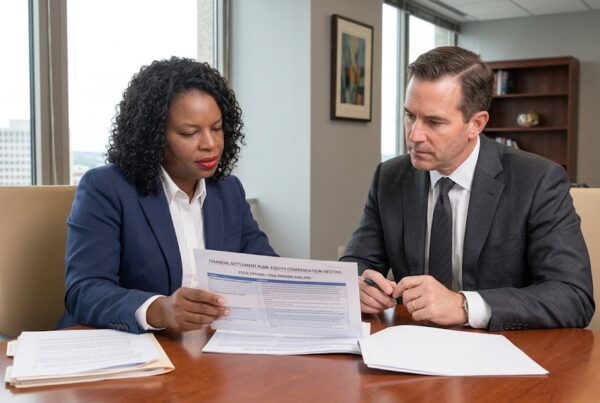


Introduction: what strategic divorce planning before filing means for you in Maryland
Strategic divorce planning before filing is a deliberate, staged program of legal, financial, and practical steps taken while married so you start any later court or settlement process from a position of clarity rather than reaction; this article explains why early preparation matters in Maryland, what a planning-first attorney will do, the concrete documents and records to gather, practical privacy and account steps, parenting and custody documentation to preserve, negotiation posture planning, and sample staging that shows how to move forward while limiting unnecessary risk.
What a planning-first approach looks like
A planning-first approach treats separation and divorce as a project with phases: intake and goal-setting, information gathering, privacy and liquidity preservation, valuation and expert engagement where needed, negotiation posture and contingency planning, and tactical filing if required; each phase focuses on preserving options, documenting facts, and reducing surprises so decision points are based on information and tradeoffs rather than stress.
Key elements explained
Key elements include identifying priorities that matter most to you, building a factual record that supports those priorities, organizing financial snapshots to model outcomes, establishing privacy practices, and creating contingency scripts for communications and emergency filing scenarios so you and your lawyer can act deliberately and discreetly when circumstances change.
Why early planning matters under Maryland family law principles
Early planning matters because Maryland courts typically apply equitable distribution for property and a best-interests standard for custody, and the evidence you have at the time of settlement or trial often shapes what courts and negotiators can rely on; careful documentation created before filing can therefore influence how assets and parenting history are evaluated in many cases.
Documentation and classification of assets
Documenting acquisition and use of significant assets and retirement benefits before filing helps show when and how property or contributions occurred, which in many cases assists your lawyer and the court in distinguishing marital contributions from separate assets and in explaining how value changed during the marriage.
Custody records and consistent parenting
Keeping a custody record before filing that documents routines, school involvement, medical and extracurricular arrangements, and any safety concerns can create a consistent history that courts may consider when evaluating proposed parenting schedules and the practical logistics of a parenting plan.
When to consult a Maryland family lawyer about planning
Consult early when separation is being considered, when a foreseeable financial event could affect liquidity or valuation, when relocation is contemplated, or when safety concerns exist; even an initial, confidential planning conversation can identify immediate protective steps and a staged plan so you do not inadvertently close off options or create unnecessary disputes.
What an early consultation typically covers
Typical consultation topics include clarifying priorities, identifying what documents and records to secure, evaluating whether immediate filings or temporary protections are necessary, outlining discreet privacy steps, and creating a short list of next actions that preserve evidence and options without escalating conflict.
First practical steps to take before filing
Start with information-gathering and preserve your access to key documents in a secure personal location; avoid dramatic transfers or account closures, note where critical records are stored, and create a simple inventory so your attorney can begin valuation and custody analysis promptly when you are ready.
Document checklist to gather now
Collect core records that let counsel and experts assess income, assets, debts, and parenting logistics; below are practical categories to assemble and index for your planning file so the first phase of work is focused and productive.
- Recent pay records, commission or bonus statements, and any documentation of income sources, collected and labeled so a lawyer can model income patterns and support needs in context.
- Bank and investment account statements for personal and joint accounts, organized to show ownership patterns, transfers, and sources of deposits relevant to valuation and liquidity planning.
- Recent tax filings and supporting schedules, plus documentation of major tax events, which help identify income streams, deductions, and items that may be relevant to support or business valuation analysis.
- Home ownership records, mortgage or lease documentation, vehicle titles, and any agreements that demonstrate ownership and encumbrances that affect negotiation options for housing and equity division.
- Retirement and deferred compensation summaries, stock award and option documentation, and benefit plan descriptions that provide the facts needed to assess future streams and potential division issues.
- Business formation documents, ownership records, financial summaries, and recent profit and loss information when a spouse has a business that could require valuation or production requests.
- Insurance policies, estate planning documents, and beneficiary designations so you and your attorney can anticipate replacement needs and how benefits may be affected by later changes.
- Debt documentation, loan agreements, and any co-signed obligations to clarify shared liabilities and identify potential credit protections to consider while planning.
Digital privacy and communication steps to preserve evidence
Protect digital privacy by securing devices and passwords you control, creating a dedicated private email or storage area for planning documents, and avoiding discussion of strategy on joint or monitored platforms; at the same time, do not destroy relevant records since preservation is critical and spoliation claims can harm your position.
Practical privacy checklist
Privacy tasks to discuss with counsel include securing your personal devices, enabling stronger authentication on sensitive accounts, creating a confidential document repository, and keeping a log of where key documents and communications are stored so evidence can be preserved and produced ethically if required.
Financial protections you can implement while staying aboveboard
Protecting liquidity and credit usually means monitoring joint account activity, documenting routine transfers, and preserving access to funds when needed for living expenses, all while avoiding transfers that could be characterized as concealment or dissipation; counsel can identify which measured steps reduce risk without creating unnecessary disputes.
Account measures and credit considerations
Account measures to consider with advice include reviewing account ownership, arranging for separate access to funds needed for household or legal costs, checking for unexpected credit activity, and documenting legitimate transactions so there is a clear record if questions arise later.
Estate and beneficiary considerations
Reviewing estate documents with counsel is important because immediate changes to beneficiaries or estate plans can create disputes in many cases; a staged approach often manages competing interests while preserving the ability to update documents at the appropriate time in the process.
Parenting and custody preparation before filing
Document parenting roles by keeping a neutral record of daily routines, custody handoffs, school and medical involvement, and any concerns about safety or welfare so that, later, a parenting plan is grounded in evidence of what has actually worked for the children rather than impressions alone.
Co-parenting strategies during planning
Maintain stability for children where possible and discuss with your lawyer how much direct communication with the other parent is appropriate; in many situations limited, factual communication supports goodwill, while other situations require immediate protective steps that counsel can help you assess confidentially.
How early planning benefits negotiation and settlement strategy
Early negotiation posture allows you to prioritize the outcomes that matter most, test realistic settlement ranges with counsel, and prepare supporting documentation and expert analysis so offers and counteroffers reflect long term tradeoffs rather than short term emotion.
Timing considerations around financial events
Discuss timing with your attorney when material financial events are foreseeable so you understand how those events could affect liquidity, valuation, or the practical availability of funds, and so you can choose a filing path that aligns with fairness and protects necessary resources.
What a strategic divorce lawyer will deliver before filing
An effective planning lawyer performs a focused intake, builds a prioritized document list, models likely settlement paths, identifies which experts to engage, drafts contingency scripts, and lays out a staged plan with concrete next steps so you can make decisions with information rather than anxiety.
Outcome mapping and realistic trade-offs
Outcome mapping shows probable settlement ranges and contested-case risks based on the facts you bring, which helps you allocate effort to the issues that matter most—whether that is housing stability, retirement protection, business preservation, or parenting time—and prepares negotiation strategies aligned with those priorities.
Contingency plans and filing scenarios
Contingency planning covers discrete paths: continued negotiation without filing, a limited filing to preserve rights, or immediate filing if safety or imminent financial risk requires action; each path includes document preservation steps, communication templates, and evidence priorities to implement quickly if circumstances shift.
Special situations: business ownership, complex assets, and relocation
Special situations require tailored planning: business owners often need valuation planning and potential forensic review, complex asset cases benefit from early expert involvement, and contemplated relocation requires documentation of reasons, logistics, and proposed schedules to frame later discussion about parenting arrangements.
Preparing high-asset or business-related cases
High-asset preparation may include organizing corporate records, separating business and personal expenses where appropriate, and discussing expert valuation strategies with counsel so the business narrative and numbers are ready if valuation or disclosure disputes arise.
Common planning mistakes to avoid
Common mistakes include making impulsive transfers, closing accounts without documentation, using public forums for announcements, and delaying consultation until emotions make decisions risky; discreet, documented planning that avoids deception generally preserves options and reduces the likelihood of contested litigation.
Sample staged pre-filing plan described in phases
Staged approach works well: begin with a confidential intake and document inventory, move to securing digital privacy and creating a private document repository, progress to valuation and expert planning where appropriate, then set negotiation posture and contingency scripts, and keep a clear exit or filing threshold so decisions are made on information rather than haste.
- Intake and priority setting: conduct a focused session to list goals and identify the most consequential assets and parenting issues so early effort targets the biggest risks and opportunities.
- Secure and organize documents: gather core financial and parenting records into a secure repository and create an index your lawyer can use to begin valuation and custody analysis efficiently.
- Privacy and liquidity steps: secure devices and accounts you control, arrange access to necessary funds for living and legal costs, and document routine transactions to avoid later disputes about intent.
- Valuation and expert engagement: where business interests or complex assets exist, consult valuation and forensic specialists early so their work can inform negotiation without delay.
- Negotiation posture and contingency scripts: prepare offers and fallback positions, and have neutral scripts ready for communications so discussions remain factual and constructive if negotiations begin.
Practical communication templates and preservation scripts
Neutral communication avoids escalation: prepare short, factual language for scheduling discussions about logistics and finances, and use written templates reviewed by your lawyer to preserve calm and prevent statements that could be mischaracterized later.
When planning cannot wait: safety and urgent financial risk
Immediate risks such as threats to safety or credible plans to deplete joint funds call for urgent legal steps; a planning-first lawyer will help you identify red flags, secure temporary measures, and implement emergency evidence preservation to protect children and financial stability.
Implementing strategic divorce planning before filing: a staged, attorney-led process
Strategic divorce planning before filing is most effective when treated as a disciplined, staged process led by counsel who clarifies priorities, organizes the factual record, models realistic outcomes, and prepares contingencies; this approach emphasizes measured steps—privacy protections, documented financial snapshots, parenting records, focused expert engagement, and clear negotiation posture—so you make informed choices and retain control over timing and method of resolution; if you would like to develop a personalized, planning-first strategy that maps what to do now, what to delay, and how to communicate, schedule a consultation with Divorce With a Plan to build a plan tailored to your Maryland circumstances.
This article is for general informational purposes only and does not constitute legal advice. Maryland law changes, and every situation is unique. Consult a qualified Maryland family law attorney about your specific circumstances.